Friday, 10 June 2016

Risky Play

When we were at the Viking Museum in Roskilde, I watched a group of school children use splitting hatchets and mauls.  No hovering teachers, no concerned staff watching from the sidelines.

We have also seen lots of kids outdoors on field trips. The following is a good post about how Denmark views unstructured play.

Thursday, 9 June 2016

Venø Cottage

The place we have rented on Venø is great. It has a traditional thatched roof and is very spacious inside.


The Venø church was built around the time of the Reformation (1536), making it the oldest building on the island. According to tradition, it is the smallest church in Denmark measuring only 9.8 by 4.2 metres


Wednesday, 8 June 2016

Adventures in Sommerland

This was a most enjoyable, clean, uncrowded theme park. Lots of quality activity areas, like a massive trampoline park.
Sam and I went on several types of roller coasters. One of them, Piraten, felt so much like being on the Lake Placid bob sled run that we did it twice. It's the fastest and highest roller coaster in Denmark. Top speed is 90 km/h and maximum height above ground is 32 meters. Apparently one of the top roller coasters in the world.


Venø Havn

After a short ferry ride, we are in Venø.

Occupation Museum

While Melanie and Sam were riding roller coasters at Sommerland, I headed into Aarhus for a look.

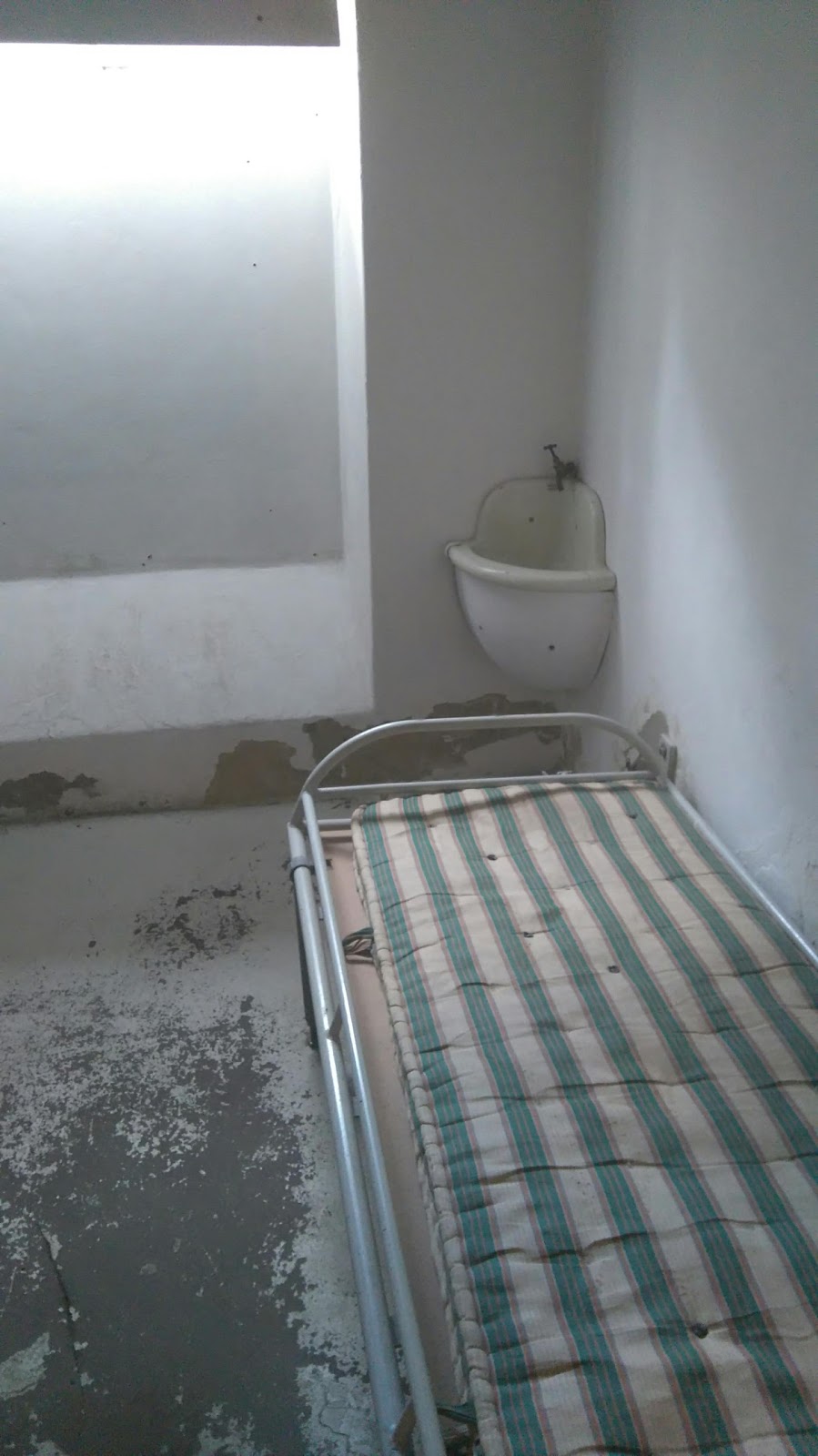
My first visit was to the Occupation Museum. The museum is located in the cellar of the city´s old police station, which from the autumn of 1944 to the German surrender served as Gestapo headquarters.

The museum details everyday life in Aarhus during the German occupation 1940 - 1945.

A lone Canadian Airman is buried in the West Aarhus Cemetery.  it was a 30 minute walk from the museum, so I made the trip.

Flight Sgt William Francis Millerd was shot down in 1942. His nephew has put together a very good site describing the life of his uncle.
 

In the middle our street

Bound for Aarhus

This is our last day on Sjaellands Odde. We just left the ferry terminal headed for Aarhus.

Tuesday, 7 June 2016

Funnelbeaker culture


While heading to the beach yesterday, we came across a mound with a picnic table beside it.  No sign, just a large rock with "Regnershøj 1941" engraved in it.

When we were back at the house, the only info I could find was from a few German web pages, so excuse the following bad translation:

The Regnershøj (also called Regnshøj Bjerre) lies at Urhøjvej south of the village Svallerup, near the road between Kalundborg and Korsør, on the Danish island of Zealand. The passage grave was excavated in 1850 and restored in 1910, in 1989 and of 2004. The Regnershøj is a megalithic the funnel beaker culture, c. 3500-2800 B.C. Neolithic monuments are an expression of the culture and ideology of Neolithic societies. Their origin and function are considered indicator of social development.

We stood on top of the mound and Sam said "the entrance is down below". It was very cool that we were able to go inside the burial mound.

When were were on top of the mound, you could see other mounds on the high points of the hills in the distance.


The view from the top of the mound


The entrance into the mound.


The tunnel leading into the mound.


Inside the mound.


The view from inside looking out.


The funnelbeaker culture was a Neolithic farming and stockbreeding culture in northern and central Europe. The culture was foundthroughout the territories of present-day Denmark, southern Sweden, the Netherlands, Germany, Poland, and western regions of Russia.

The culture was named for the typical shape of its earthenware—a beaker with a funnel-shapedneck.

The funnelbeaker culture is known mainly from burials in simple earth graves, in stone chests (cists), in long burialmounds with a triangular stone facing, in dolmens under round or rectangular burial mounds, and in corridor-shapedsepulchers.


In Sweden

Drove over the bridge from Copenhagen to southern Sweden today.


Odden Kirke

Odden church dates from the 14th century and it was painted red in 1874. The chapel was excavated in 1953, and is believed to have been uses as long as to the reformation in 1536.

Sam and I stopped at the church yesterday while Melanie was painting.

In the cemetery is a monument of 3 British airmen who went down over Sejerø bay in 1944 and the monument for 72 soldiers who died in the Odden naval battle against British fleet in 1808.

Wind Power

More than 40 per cent of Denmark’s energy supply comes from wind power and the plan is to reach 50 per cent by 2020.

Monday, 6 June 2016

Well this is going to be interesting

It is laundry day and this is what we are facing.

Comments would be most helpful on what buttons to push.